
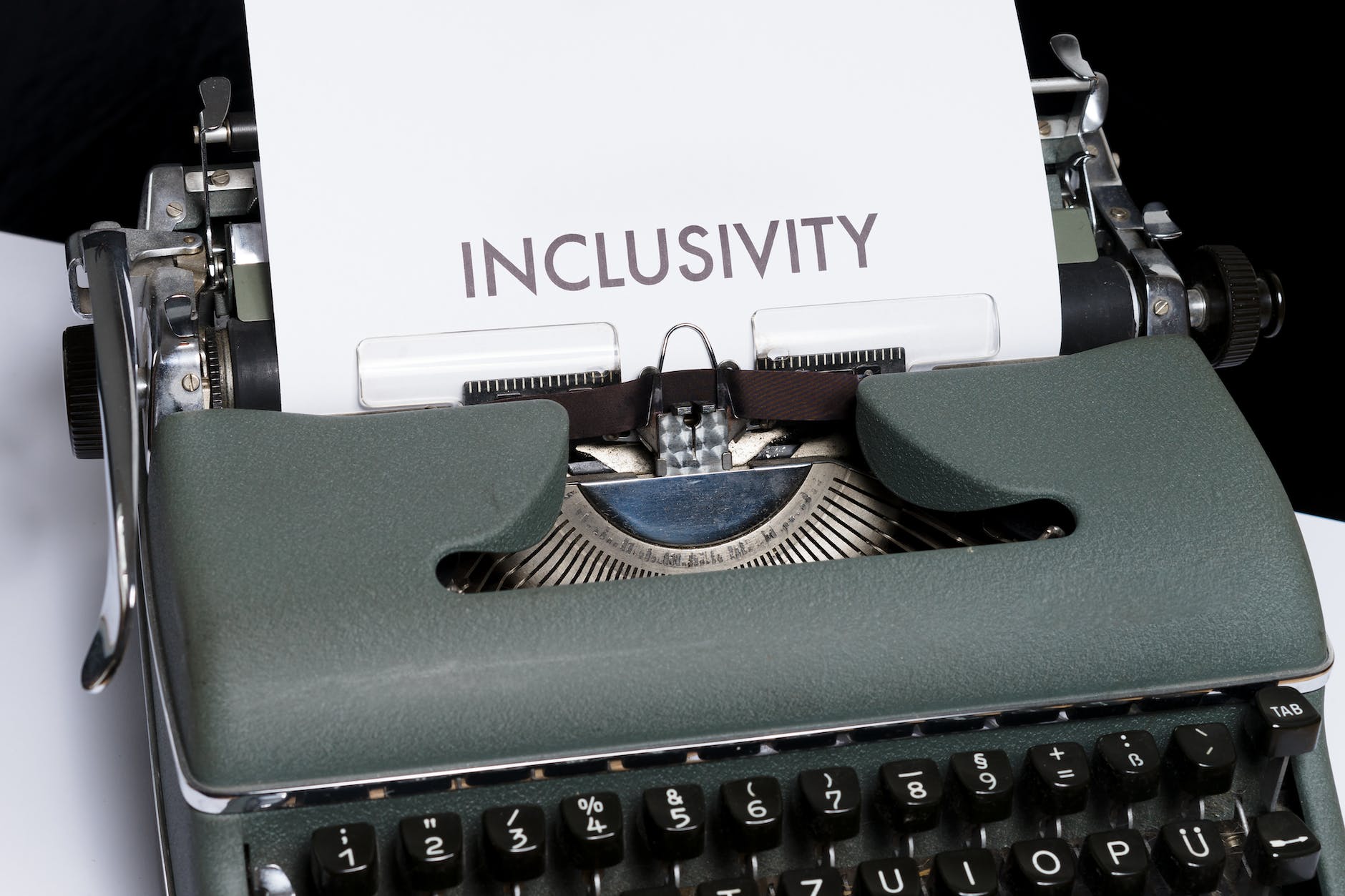
Inclusivity is a buzzword that we hear often in both educational and workplace settings, but what does inclusivity really mean? Inclusivity is a combination of valuing someone’s uniqueness while also creating a sense of belonging for them (Cornell, 2020). To best understand inclusivity, let us look at three examples of what is not inclusive.
When we think of what inclusivity is not, we often think of exclusivity. Exclusivity is when we not only try to squash someone’s uniqueness, but also treat them as an outsider because they ever had these unique qualities. For example, if a little boy is shunned by his peers when he wears pink, sparkly tennis shoes and continues to be shunned even after changing into a pair of blue tennis shoes, there is a practice of exclusivity at play. In our own field, if emergent bilinguals are asked to sit in a corner of the classroom and not given access to grade level curriculum, we are practicing exclusivity.
Unlike exclusivity, differentiation is when we value someone’s difference, but we still treat the individual as an outsider because of this difference. In the workplace setting, this may be hiring someone with dark skin and recognizing the value that that difference brings to the otherwise white-majority company (even if it is only to appear as if the company is dedicated to social justice), but then not making the individual feel like they belong. The practice of differentiation is why many companies find retention of people of color harder than the recruitment of the same group. Among students, it may be that we are constantly praising students’ languages other than English, but having them sit separately during class.
Finally, there is assimilation. Assimilation is tricky because many of us older individuals were taught as kids in our Social Studies classes that assimilation is a goal we should work towards. Assimilation is when we squash someone’s differences and only then, treat them as an insider. For instance, we may ask a curly-haired immigrant to wear their hair straight, take off their hoop earrings, and wear less makeup to work as an attempt to “whiten them.” Or we may ask someone from a minority religion to give up their religion for the mainstream religion before accepting them. Once they comply, we treat them as a group member. Among students, we may ask them to never translanguage when grappling with the material or in the hallways with their friends, but once they give up their language, we treat them as valued members of the class. Assimilation is wrong because we are asking people to give up parts of their identity in order to be accepted.
Finally, inclusivity is when we can accept and value people’s differences whether those differences are language-based, race-based, gender-based, or even personality-based and make them feel like valued members of the organization regardless of or even because of those differences. We have to accept and value people, adults and children, for who they are, not for whom we would like them to be. When we can do that, we can create organizations and classrooms that truly embrace diversity.
 Language and Equity Blog